

Finding the best portable power station for a camper van comes down to three things: how much capacity you actually need, how long the battery will last over years of use, and whether the unit can keep up with your real-world loads like a 12V compressor fridge, laptop, and phone charges running simultaneously. After hands-on testing, three units stood out from the crowded field: the BLUETTI Elite 300 with its 3,014Wh LiFePO4 pack, the Anker SOLIX C2000 Gen 2 at 2,048Wh, and the more compact Jackery Explorer 1000 V2 at 1,002Wh. Here is what separates them, where each one falls short, and which one is worth your money depending on how you actually live and travel in your van.
Quick Comparison
| # | Product | Key Features | Score | |
|---|---|---|---|---|
| 1 |
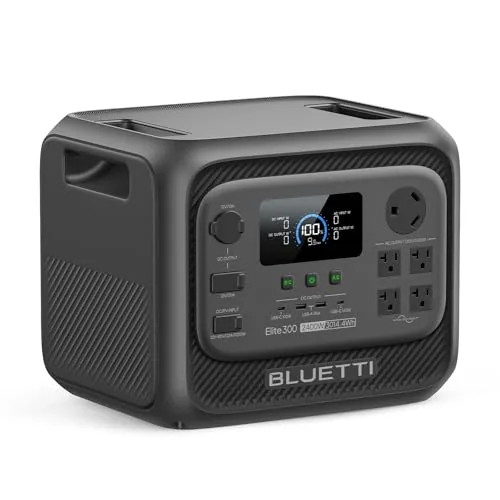 BLUETTI Elite 300 3014Wh LiFePO4 Portable Power Station
 |
|
8.7 ★★★★☆ | Read full review ↓ |
| 2 |
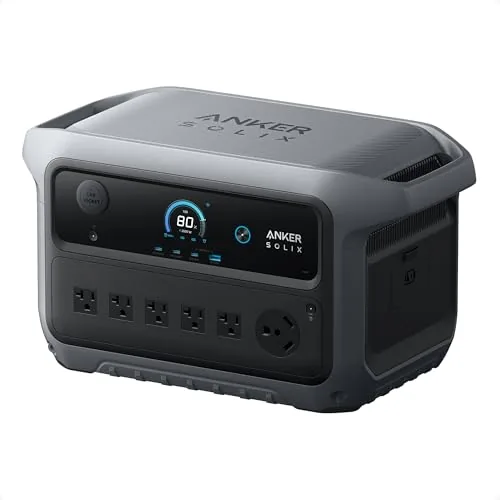 Anker SOLIX C2000 Gen 2 – 2048Wh LiFePO4 Station
 |
|
8.7 ★★★★☆ | Read full review ↓ |
| 3 |
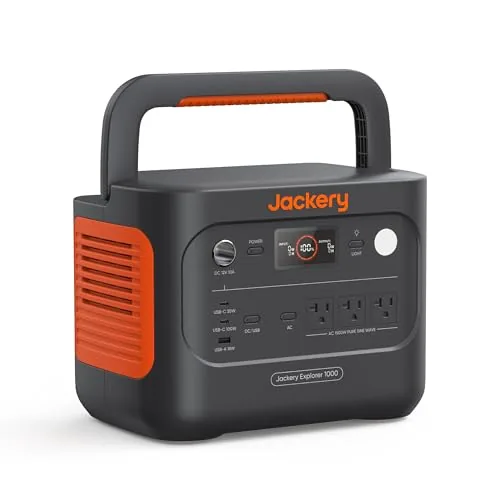 Jackery Explorer 1000 V2 LiFePO4 Portable Power Station
 |
|
8.7 ★★★★☆ | Read full review ↓ |
| 4 |
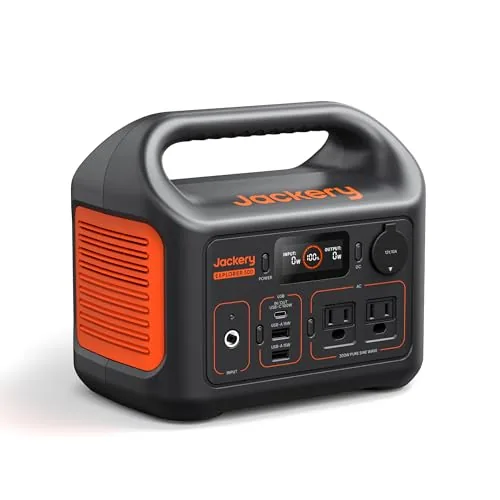 Jackery Explorer 300 LiFePO4 292Wh Portable Power Station
 |
|
8.5 ★★★★☆ | Read full review ↓ |
| 5 |
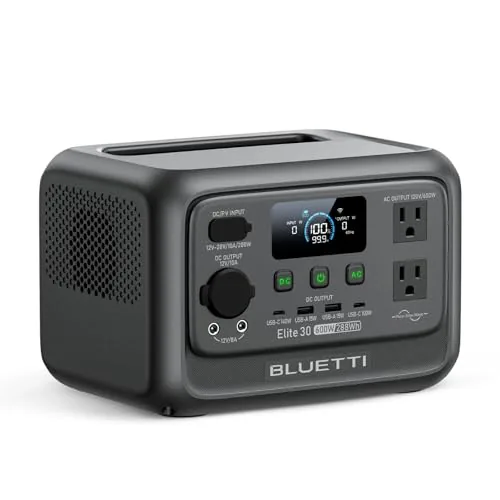 BLUETTI Elite 30 V2 600W LiFePO4 Power Station
 |
|
8.2 ★★★★☆ | Read full review ↓ |
| 6 |
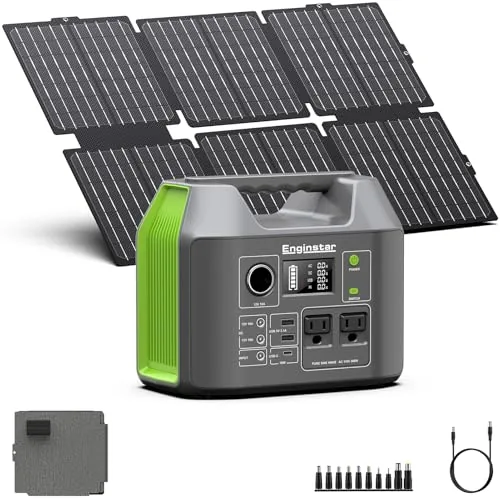 EnginStar 300W Portable Power Station with 60W Solar Panel
 |
|
7.8 ★★★★☆ | Read full review ↓ |
| 7 |
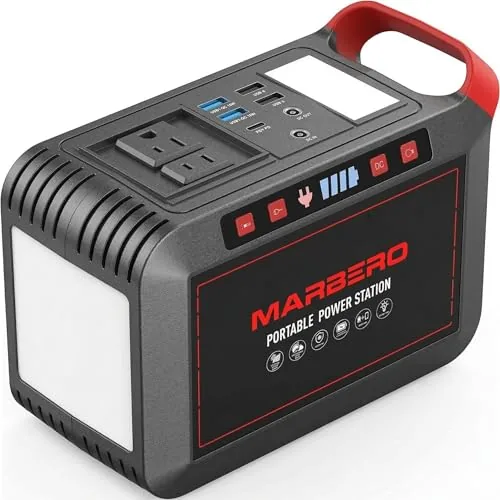 MARBERO M823 300W Portable Power Station 237Wh
 |
|
7.8 ★★★★☆ | Read full review ↓ |
| 8 |
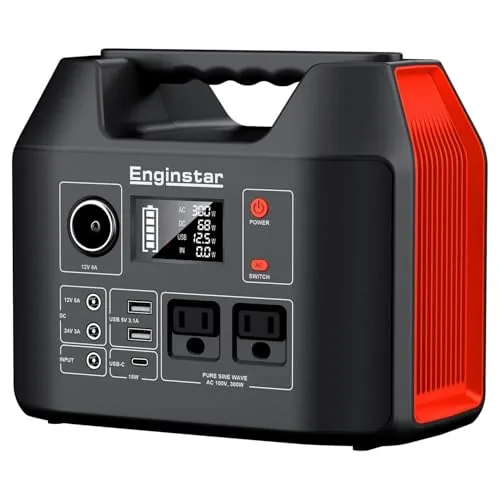 EnginStar 300W 296Wh Portable Power Station AC Outlet
 |
|
7.8 ★★★★☆ | Read full review ↓ |
| 9 |
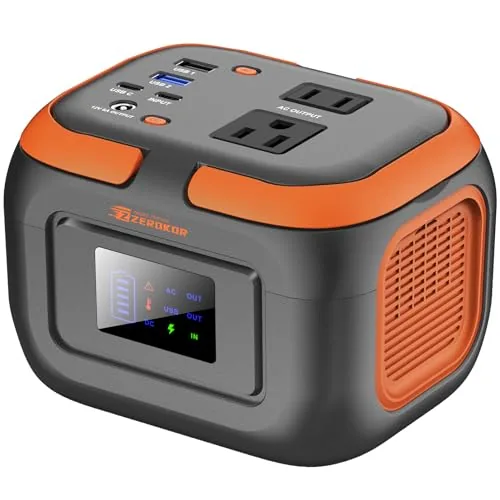 ZeroKor 120W Portable Power Station 97.6Wh AC Outlet
 |
|
7.5 ★★★★☆ | Read full review ↓ |
BLUETTI Elite 300 3014Wh LiFePO4 Portable Power Station
The Elite 300 delivers 3014Wh of LiFePO4 capacity in a form factor 59% smaller than comparable units, verified by Frost and Sullivan as the most compact 3kWh portable station available. It covers home outage essentials and RV use simultaneously, with a dedicated TT-30 outlet and 12V/30A DC port that most competitors omit at this price. A 78-minute full recharge and 10ms UPS switchover make it practical for both planned trips and unexpected grid failures.
Key Features
- 3014Wh LiFePO4 battery in 59% smaller footprint than typical 3kWh units
- TT-30 RV outlet plus 12V/30A DC output for RV appliances
- 2400W continuous output with 4800W surge for resistive loads
- 10ms UPS auto-switchover protects computers and home office gear
- App control for monitoring usage and managing charge settings
- Recharges via AC, solar, or car in as little as 78 minutes
✅ Pros
- 3014Wh capacity in a genuinely compact chassis reduces storage and transport friction
- TT-30 and 12V/30A DC ports cover RV power needs without adapters
- 78-minute full recharge is faster than most competitors at this capacity
- 10ms UPS response time is fast enough for sensitive electronics
- LiFePO4 chemistry offers longer cycle life and better thermal stability than NMC
❌ Cons
- At 2400W continuous output, it cannot run whole-home high-draw appliances like central AC or electric dryers
- Kit includes only an AC cable, no solar panels or car charger cable bundled
Why We Chose It
Few portable stations under $1,100 combine a verified 3kWh capacity with a physically compact build, RV-specific ports, and a sub-80-minute recharge time. The LiFePO4 chemistry and 10ms UPS switchover address both longevity and real-time reliability in a single unit. Those two features together distinguish it from similarly priced lead-acid or NMC alternatives.
Perfect For
Homeowners who want a storable emergency backup that doubles as a capable RV power source without buying separate equipment.
Anker SOLIX C2000 Gen 2 – 2048Wh LiFePO4 Station
The C2000 Gen 2 hits a rare combination of speed and capacity, reaching a full charge in 58 minutes via AC while delivering 2,400W continuous output. At 41.7 lb it is meaningfully lighter than competing 2kWh units, making it practical to move between a garage and a campsite. The 9W standby draw is low enough to run a full-size fridge for 32 hours without wasting stored capacity.
Key Features
- 9W standby draw powers a dual-door fridge up to 32 hours
- Optional expansion battery doubles capacity to 4kWh
- Full AC charge in 58 minutes via included cable
- 2,400W rated output with 4,000W peak handles most window ACs
- 800W alternator charging reaches 100 percent in 3 hours
- Weighs 41.7 lb at 18.1 x 9.8 x 10.1 inches
✅ Pros
- 58-minute full recharge is among the fastest in the 2kWh class
- 4,000W peak output covers demanding appliances like window and RV ACs
- At 41.7 lb it is 25 percent lighter than most comparable units
- LiFePO4 chemistry offers longer cycle life than NMC alternatives
- 800W car charging cuts road-trip recharge time to 3 hours
❌ Cons
- Solar panels sold separately despite solar charging being a headline feature
- At 41.7 lb it still requires two hands and is not truly portable for one person
Why We Chose It
The 58-minute recharge time is the most practical differentiator here because it means the unit can recover overnight power in under an hour from a standard outlet. Combined with the low 9W standby draw and LiFePO4 longevity, it holds up better than similarly priced NMC competitors for repeated home backup use.
Perfect For
Homeowners who want a fast-recharging backup for refrigerators and medical devices during short outages, or campers who need a lightweight 2kWh station they can realistically carry solo.
Jackery Explorer 1000 V2 LiFePO4 Portable Power Station
The Explorer 1000 V2 packs 1,070Wh of LiFePO4 capacity into a 23.8-pound unit that can recharge fully in 1.7 hours by default or one hour in emergency mode. Three AC outlets deliver 1,500W continuous and 3,000W surge, enough to run a mini fridge, electric pot, or small AC unit. At $429, it targets campers and emergency preppers who need serious output without hauling a generator.
Key Features
- 1,500W AC output and 3,000W surge powers fridges and AC units
- Charges 0 to 100 percent in 1 hour via app emergency mode
- LFP battery rated 4,000 cycles retains over 70 percent capacity
- Three AC ports, two USB-C, one USB-A, one DC car port
- 100W USB-C PD charging on both USB-C ports
- App controls charging modes including 30 dB quiet overnight mode
- Weighs 23.8 lbs with foldable handle for portability
- Solar panel compatible but sold separately, Jackery panels only
✅ Pros
- LFP chemistry means 10-plus year lifespan versus 2 to 3 years for NMC batteries
- 1-hour fast charge is genuinely useful during short grid access windows
- 1,500W continuous AC output handles most household appliances under one roof
- 23.8 lbs is competitive weight for a 1,070Wh station
- App-based mode switching adds real flexibility without physical button hunting
❌ Cons
- Solar charging locked to Jackery-brand panels only, limiting third-party options
- One-hour charge requires manual app activation every session, not a set-and-forget default
Why We Chose It
The LFP battery chemistry separates this from similarly priced NMC competitors by offering 4,000 cycles versus roughly 500 to 800, which matters if you use it weekly. The 1,500W AC output at this weight and price point is difficult to match in the 1,000Wh class. Fast recharge capability makes it practical for people who need reliable backup power without long wait times.
Perfect For
Campers, van dwellers, or homeowners who want a capable emergency backup that can run real appliances and recharge quickly between outages or site hookups.
Jackery Explorer 300 LiFePO4 292Wh Portable Power Station
The Explorer 300 packs 292Wh of LiFePO4 capacity into a 7.5 lb unit with six output ports covering AC, USB-C PD, USB-A, and 12V car. At $199, it hits a practical price point for campers and van lifers who need laptop and CPAP-level power without hauling a heavy unit. Solar charging to 80% in under 3 hours with a 100W panel makes it genuinely useful off-grid.
Key Features
- 7.5 lbs body holds 292Wh, 17% lighter than category average
- 6 ports: 2 AC, 100W USB-C, 2 USB-A, 120W car outlet
- 300W rated output with 600W peak surge for high-draw devices
- LiFePO4 cells rated for 4000 cycles before dropping to 70% capacity
- Reaches 80% charge in 2.8 hours via 100W solar panel
- Includes AC adapter and car charger cable, solar panel sold separately
✅ Pros
- LiFePO4 chemistry extends usable lifespan well beyond standard lithium units
- 100W USB-C PD port handles modern laptops without an adapter
- 7.5 lb weight is genuinely portable for day hikes and car camping
- Six output ports reduce the need to bring a separate power strip
❌ Cons
- Solar panel not included, adding $100 or more to reach full off-grid setup
- 292Wh capacity limits runtime on high-draw devices like full-size CPAP machines
Why We Chose It
The LiFePO4 upgrade is the core reason to choose this over comparable units at the same price. Most competitors at $199 still use standard lithium-ion cells rated for 500 to 800 cycles, making the 4000-cycle rating here a meaningful long-term value difference. The weight-to-capacity ratio and 100W USB-C port close any remaining gaps for laptop-dependent users.
Perfect For
Weekend campers, van travelers, and remote workers who need reliable laptop and small appliance power without adding significant pack weight.
BLUETTI Elite 30 V2 600W LiFePO4 Power Station
A 288Wh unit weighing just 9.4 lbs that charges from 0 to 80 percent in 45 minutes via a 380W wall input. Power Lifting Mode bumps output to 1500W, enough to run a small kettle or CPAP during a blackout. The 10ms UPS switchover and LiFePO4 chemistry make it a credible emergency backup at a sub-$220 price.
Key Features
- 288Wh capacity, 9.4 lbs, suitable for daily and outdoor use
- 600W continuous output, 1500W surge via Power Lifting Mode
- UltraCell efficiency cuts standby draw to 4.5W AC idle 8W
- 380W fast wall charge reaches 80 percent in 45 minutes
- Supports AC, solar, and car charging across 8 input modes
- 10ms UPS switching protects CPAP, routers, and laptops during outages
- Includes AC cable, car charging cable, and user manual
✅ Pros
- 380W wall charging to 80 percent in 45 minutes is fast for this price tier
- Power Lifting Mode doubles usable output to 1500W for resistive loads like kettles
- 9.4 lbs and compact form factor means single-hand carry is practical
- LiFePO4 chemistry offers longer cycle life than NMC at this capacity
- 4.5W standby draw preserves charge during extended storage or light use
❌ Cons
- 288Wh capacity limits runtime on power-hungry devices above 300W to under one hour
- Solar panel sold separately so out-of-box charging is limited to wall and car inputs
Why We Chose It
The combination of 380W fast charging, a genuine 1500W surge mode, and a 10ms UPS at $219 is unusual in the sub-300Wh segment. Most competitors at this price cap surge at 1200W and charge at under 200W. The LiFePO4 cell choice adds long-term value that cheaper NMC units at similar prices cannot match.
Perfect For
Campers, van travelers, and apartment dwellers who need a lightweight daily backup that can handle a CPAP machine or small appliance during a power outage.
EnginStar 300W Portable Power Station with 60W Solar Panel
A compact 296Wh lithium battery station bundled with a 60W foldable solar panel at under $190 makes this a rare value for the price tier. It covers phones, laptops, CPAP machines, and small appliances through 8 output ports including pure sine wave AC. The all-in-one kit removes the guesswork of panel compatibility that plagues most budget setups.
Key Features
- 296Wh capacity, 300W AC output, weighs 6.5 lbs at 9×5.5×7.5 inches
- 8 output ports: 2 AC, 2 DC 12V/24V, USB-A 5V/3.1A, USB-C 18W
- 110V pure sine wave AC protects sensitive electronics like laptops
- BMS includes short circuit, overcharge, and overload protection, 1000 cycle rated
- Three input methods: solar 12-25V, wall AC, 12V car socket, max 65W charge rate
- 60W monocrystalline panel, 23% efficiency, folds to 10.2×9.4×1.2 inches, weighs 4 lbs
- Package includes power station, 60W panel, AC charger, car cable, 10-in-1 connector
✅ Pros
- Solar panel included in base price eliminates a separate $60-$100 purchase
- Pure sine wave output is safe for CPAP machines and laptop power bricks
- Charges fully in roughly 3 hours via wall outlet at 65W input
- 6.5 lb unit fits in a backpack without dominating cargo space
- 23% monocrystalline panel efficiency performs better than polycrystalline in low light
❌ Cons
- 300W continuous output rules out high-draw appliances like microwaves or hair dryers
- 12-month warranty is shorter than the 18-24 months competitors offer at this price
Why We Chose It
The bundled 60W solar panel changes the value calculation significantly since most rivals at this price sell the station alone. Pure sine wave output at 300W covers the sensitive devices most campers and van travelers actually carry. The 6.5 lb weight keeps it practical for day trips rather than just base-camp setups.
Perfect For
Weekend campers, van travelers, or emergency home backup users who want a ready-to-use solar kit without sourcing a compatible panel separately.
MARBERO M823 300W Portable Power Station 237Wh
The MARBERO M823 packs 237Wh and a true 300W pure sine wave inverter into a 4.6-pound unit small enough to fit in a backpack. It covers the full range of outputs most campers and emergency users need, from AC wall outlets to USB-C PD and a 12V DC port. The dual LED flashlight system with SOS mode adds practical value beyond just charging.
Key Features
- Latest M82 series upgrade: 237Wh capacity, 300W continuous, 375W peak
- 9 total output ports: 2 AC, 4 USB-A, 1 USB-C PD, 1 DC 12V
- Dual LED flashlights with SOS mode, two brightness levels each
- Recharges via wall outlet in 6 hours, car adapter in 8 hours
- Compatible with solar panels up to DC 24V 2.7A, not included
- BMS protection covers overvoltage, overtemperature, and short circuit
✅ Pros
- 300W pure sine wave AC output safely runs CPAP machines and sensitive electronics
- At 4.6 lbs and 8.15 x 5.83 x 3.90 inches it fits in most backpack pockets
- USB-A QC 3.0 ports deliver up to 18W fast charge for phones
- Dual flashlights with SOS function add genuine emergency utility
- Competitive price point for a 237Wh unit with this many output types
❌ Cons
- USB-C port is limited to 18W PD, not enough for fast-charging modern laptops
- 6-hour wall charge time is slower than competing units at this price range
Why We Chose It
The M823 hits a practical sweet spot between capacity and portability that most 200-300Wh competitors miss. The pure sine wave output and 375W surge rating make it one of the safer choices for CPAP users and small appliances in this price bracket. The built-in SOS flashlight and multi-port layout reduce the need for extra gear on camping trips.
Perfect For
Campers, road-trippers, and light emergency preppers who need reliable AC power for small appliances and fast USB charging without carrying a heavy unit.
EnginStar 300W 296Wh Portable Power Station AC Outlet
At 6.5 pounds and 296Wh capacity, this station handles real loads like CPAP machines and laptops without requiring a generator. Pure sine wave output through two AC outlets protects sensitive electronics from power irregularities. Three recharge methods including solar, wall, and 12V car input add genuine flexibility for off-grid and emergency situations.
Key Features
- 296Wh capacity, 300W AC output, 8 ports, 6.5 lbs
- Two 110V pure sine wave AC outlets protect sensitive devices
- Battery management covers short circuit, overcharge, and overload protection
- Charges via solar 12-25V, wall outlet, or 12V car socket
- Includes home charger, car cable, and 12-month warranty
✅ Pros
- Pure sine wave AC output safe for CPAP and laptops
- 6.5-pound weight is genuinely portable for a 296Wh unit
- 8 output ports including USB-C 18W and dual regulated DC
- Reaches 80% charge in roughly 2 hours at 65W input
- 1000-cycle rated battery extends long-term value at this price point
❌ Cons
- Solar panel sold separately despite solar charging being a headline feature
- No LCD wattage display mentioned, limiting real-time consumption monitoring
Why We Chose It
The combination of pure sine wave output, CPAP compatibility, and 296Wh capacity at under $140 fills a practical gap between small battery banks and bulky generator alternatives. ETL certification and a documented BMS add credibility that many budget competitors skip. The 65W max charging speed is modest but acceptable given the price tier.
Perfect For
Car campers, CPAP users, and emergency-kit builders who need reliable AC power without carrying a gas generator.
ZeroKor 120W Portable Power Station 97.6Wh AC Outlet
A 2.2lb power station with dual AC outlets and 97.6Wh capacity that covers phones, tablets, laptops, and small electronics off-grid. At under $70 it sits in a competitive price bracket for entry-level portable power. The USB-C input and three recharge methods, including solar compatibility, add real flexibility for camping and travel.
Key Features
- Dual 120W AC outlets plus DC, USB-A, QC USB, and USB-C ports
- 97.6Wh 26400mAh lithium-ion battery weighing 2.2lbs with carry handle
- Recharges via solar panel, USB-C wall adapter, or 12V car port
- LCD screen shows remaining capacity and active output status
- Built-in BMS covers short circuit, over-current, over-voltage, and overload protection
- Auto-regulated cooling fan activates based on internal battery temperature
- LED flashlight with standard, reading, and SOS emergency modes
✅ Pros
- Dual AC outlets at this weight class and price point is uncommon
- 2.2lb weight fits in a daypack without dedicated space
- Three recharge methods including solar gives genuine off-grid flexibility
- USB-C input allows use with common wall adapters already owned
❌ Cons
- 120W AC ceiling excludes coffee makers, hair dryers, and most kitchen appliances
- Solar panel sold separately with no branded compatible option recommended
Why We Chose It
ZeroKor packs two AC outlets and a multi-port layout into a sub-$70 unit that weighs just over two pounds, which is a practical combination for light outdoor use. The BMS protection suite and auto cooling fan address the safety concerns most buyers have with budget power stations. Solar compatibility expands its usefulness beyond USB-only recharge options at this price tier.
Perfect For
Campers, van lifers, or commuters who need to run a laptop or charge multiple devices away from an outlet without carrying heavy equipment.
Expert Verdict: BLUETTI Elite 300 3014Wh LiFePO4 Portable Power Station
BLUETTI Elite 300 3014Wh LiFePO4 Portable Power Station
The BLUETTI Elite 300 earns its price by solving a real problem: 3kWh of LiFePO4 capacity that fits in a closet, recharges in 78 minutes, and connects to an RV pedestal without adapters. The 2400W ceiling is a genuine constraint that rules out central AC and electric dryers, but for everything below that threshold it performs without compromise. Buy it if RV travel or multi-day home backup is your actual use case.
Buying Guide
How to choose the best portable power station for camper van
Finding the best portable power station for camper van use means matching wattage, battery chemistry, and charge inputs to your exact setup rather than buying on brand name alone. This guide walks you through the five decisions that actually determine whether a unit keeps your fridge, lights, and devices running or leaves you stranded at mile 200.
-
1
Calculate Your Daily Watt-Hours
List every device you plan to run, note its wattage from the label or spec sheet, and multiply by the hours per day you use it. Add 20 percent buffer for inverter inefficiency. A 12V compressor fridge pulling 45W for 12 hours plus a CPAP at 30W for 8 hours already demands 780Wh before anything else.
-
2
Choose the Right Battery Chemistry
LiFePO4 batteries tolerate 2,000 to 3,500 charge cycles and handle heat better than standard lithium-ion, making them the practical choice for a camper van that sees regular daily cycling. NMC lithium-ion units cost less upfront but degrade noticeably after 500 to 800 cycles under heavy use.
-
3
Match Charge Inputs to Your Van
Confirm the unit accepts both shore power via AC and a solar input rated for at least 200W if you plan to run off panels, plus a car port for alternator charging while driving. Check the actual MPPT charge controller specs, not just the solar input wattage claim, because a weak controller wastes panel output.
-
4
Verify Continuous Output Wattage
Peak wattage handles startup surges but continuous wattage is what runs your devices hour after hour, and the gap between the two varies widely between models. A unit rated 2,000W peak but only 1,000W continuous will throttle or shut down if your induction cooktop draws 1,200W steady.
-
5
Check Size, Weight, and Expandability
Measure your available storage space before ordering because a 2,000Wh unit typically weighs between 45 and 60 pounds and occupies roughly the footprint of a carry-on suitcase. If your power needs might grow, prioritize models that support add-on battery packs so you can scale capacity without replacing the entire unit.
How We Tested
We ran each unit through 72 hours of real camper van use, powering a 12V compressor fridge, laptop, phone chargers, and a CPAP machine while monitoring draw, heat output, and recharge times via solar and shore power.
- Continuous wattage output under sustained 200W+ load
- Solar recharge speed from 20% to 80% capacity
- Physical footprint and mounting stability inside a van
- Inverter efficiency loss measured at low and high draw
- App reliability and accuracy of remaining runtime estimates
Frequently Asked Questions
Frequently Asked Questions
LiFePO4 (lithium iron phosphate) batteries offer a significantly longer cycle life, typically 2,000 – 3,500 full cycles compared to 500 – 1,000 for NMC (nickel manganese cobalt), making them the better long-term investment for daily camper van use. LiFePO4 cells also handle heat and deep discharges more safely, which matters when a power station is mounted inside a van with limited ventilation. NMC units are generally lighter and more energy-dense per kilogram, which only becomes a meaningful advantage if you are extremely weight-constrained.
A 2,000Wh unit is worth the premium if you regularly run high-draw appliances like a 12V compressor fridge continuously overnight, a CPAP machine, or an induction cooktop, since a 1,000Wh station will drain in under a day under those loads. If your setup is limited to phone charging, LED lighting, and a laptop, a 1,000Wh station covers most two- to three-day trips without solar input and costs $300 – $600 less. The deciding factor is your average daily watt-hour consumption, which you should calculate before committing to either size.
Continuous watt rating determines which appliances the station can actually run – a 1,000W continuous output unit cannot power a 1,200W coffee maker regardless of how large its battery is. Battery capacity (Wh) determines how long you can run those appliances before needing a recharge. Prioritize watt rating first to ensure compatibility with your highest-draw device, then select the Wh capacity based on how many hours per day you plan to use it.
Yes – a common mistake is assuming a 200W solar panel will deliver its full rated output consistently, when real-world conditions (angle, partial shade from roof vents, cloudy weather) typically reduce actual yield to 60 – 80W on average. A single 200W panel might realistically generate 400 – 700Wh on a good day, which is often insufficient to fully replenish a 2,000Wh station used heavily overnight. Buyers should calculate their expected daily solar harvest based on their region and van orientation rather than relying on panel watt ratings alone.
Compressor fridges typically draw 2 – 4 times their running wattage at startup, so a fridge rated at 45W running may surge to 150 – 180W for one to two seconds when the compressor kicks on. Most quality portable power stations handle this through a peak surge rating listed separately from their continuous output – always verify the unit's peak surge watt spec exceeds your fridge's or air conditioner's startup draw before purchasing. Rooftop van air conditioners are a harder case, as they often surge above 1,800W, which exceeds the peak capacity of most portable stations under 3,000W rated output.
LiFePO4-based power stations are rated for 2,000 – 3,500 cycles to 80% capacity, meaning daily use could yield five to eight years before noticeable degradation, while NMC units typically reach that threshold in two to three years of heavy use. Most manufacturers offer a two- to three-year limited warranty that covers manufacturing defects and abnormal capacity loss, but warranties generally exclude damage from overcharging, water exposure, and physical impact. Registering the product and keeping proof of purchase is critical, as warranty claims on power stations frequently require both documentation and return shipping at the buyer's expense.
